
Debunking common myths What really happens in a casino
Debunking common myths What really happens in a casino
Understanding the House Edge
One of the most common myths surrounding casinos is the misconception that the house always wins, implying that players have no chance of success. In reality, the house edge is a statistical advantage built into each game, but it doesn’t guarantee that every player will lose. For example, in games like blackjack, skilled players can reduce the house edge significantly through strategies such as card counting. Thus, while the house has an advantage, informed and strategic play can lead to substantial wins. You can also explore the thrilling aviator game that combines excitement with great potential for earnings.
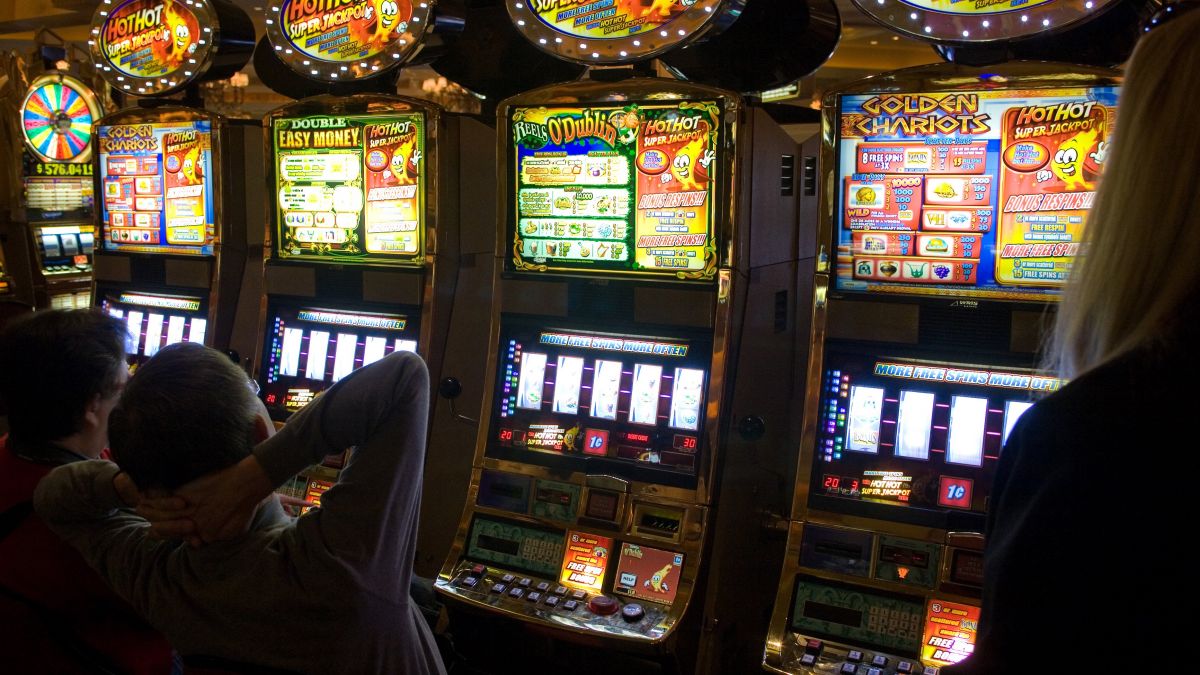
Players often misunderstand the concept of the house edge. They may think it is a permanent loss for every player, but it simply reflects the long-term probability of winning versus losing. In short-term play, luck can favor individuals, leading to surprising outcomes. This variability is part of what makes gambling so thrilling; players can experience significant wins, even if the odds are against them in the long run.
Furthermore, the belief that casinos manipulate the games to ensure losses is unfounded. Games are designed to be fair, and while random number generators determine outcomes in electronic games, traditional table games rely on the rules of chance and strategy. Therefore, being informed about the rules and understanding the game can level the playing field, allowing players to enjoy gambling without the fear of inherent deceit.
The Role of Luck vs. Skill
Another prevalent myth is that success in casinos is solely based on luck. While luck plays a significant role, skill is also a critical factor, especially in games like poker or blackjack. In poker, for instance, a player’s ability to read opponents, manage their chips, and make strategic decisions can vastly improve their chances of winning. This blend of luck and skill makes certain games more appealing to players looking to exert control over their outcomes.
In contrast, games like slots are purely luck-based, lacking any skill component. Despite this, the thrill of spinning the reels and the potential for a jackpot keeps players engaged. Understanding the distinction between skill-based and luck-based games can help players choose what they enjoy and suit their gaming style. Knowledge can empower players to make better decisions in the games they choose to play.
The misconception that skill-based games are rigged often leads to disillusionment. While a casino’s house edge is constant, skilled players can minimize their losses and maximize potential gains through informed decisions. This understanding debunks the myth that any player can win consistently based on luck alone, highlighting the importance of mastering the game to enhance the gambling experience.
The Truth About Compulsive Gambling
Many individuals associate casinos with gambling addiction and compulsive behavior. While it is true that some people may develop problems, this does not represent the majority of casino-goers. Most patrons enjoy gaming responsibly, treating it as a form of entertainment rather than a means to make money. Efforts within the industry promote responsible gambling practices to ensure that players remain aware of their limits.
Education plays a crucial role in combating this myth. Many casinos provide resources and support for individuals who may struggle with gambling. This includes self-exclusion programs and information on responsible gaming practices. By promoting awareness and providing necessary support, casinos aim to mitigate the negative perceptions associated with gambling while fostering a safer gaming environment.
Moreover, it is essential to recognize that gambling addiction can stem from various underlying issues, not just the casino environment. Factors such as personal circumstances, mental health conditions, and socio-economic status can contribute to compulsive behavior. This broader perspective helps to differentiate between casual players and those who may face challenges, fostering a more nuanced understanding of gambling as a whole.
The Illusion of Winning Streaks
Another widespread myth in casinos is the belief in winning streaks or the idea that a player is ‘due’ for a win after a series of losses. This misconception, often referred to as the gambler’s fallacy, stems from the assumption that past results influence future outcomes in games of chance. In reality, each spin of a slot machine or roll of the dice is independent, meaning that previous outcomes do not impact future ones.
Understanding random number generation in electronic gaming is key to debunking this myth. Each time a player engages with a game, the outcome is determined by random algorithms that ensure fairness and unpredictability. Recognizing that every game operates independently can help players manage their expectations and approach gambling with a more realistic mindset.
This misconception can lead to reckless gambling behaviors, as players chase losses under the false belief that a win is imminent. Education about the principles of probability and chance in gaming can help mitigate these tendencies. By acknowledging the randomness of gaming outcomes, players can engage more responsibly, avoiding the pitfalls that come from believing in patterns that simply do not exist.

Discovering the Excitement of Online Casinos
As more players transition to online casinos, myths about their security and fairness persist. Some believe that online gambling lacks regulation and oversight, leading to the misconception that it is inherently less trustworthy than traditional casinos. However, legitimate online casinos operate under strict regulations and utilize advanced technology to ensure fair play and security for their users.
In fact, many online platforms undergo regular audits by independent third-party organizations to verify their fairness and compliance with gaming regulations. This level of scrutiny ensures that players can enjoy a secure gaming environment, knowing that their data and funds are protected. Understanding the mechanisms in place can dispel myths surrounding online gambling and encourage players to explore this evolving landscape with confidence.
Moreover, the availability of various games and features online provides an experience that rivals, if not surpasses, traditional casinos. Players can access a diverse range of games, including unique variations and innovative formats that may not be available in brick-and-mortar establishments. This shift in gaming dynamics has revolutionized the industry, making it more accessible and appealing to a wider audience.