
Understanding Support on European Arrest Warrant A Comprehensive Guide
Understanding Support on European Arrest Warrant: A Comprehensive Guide
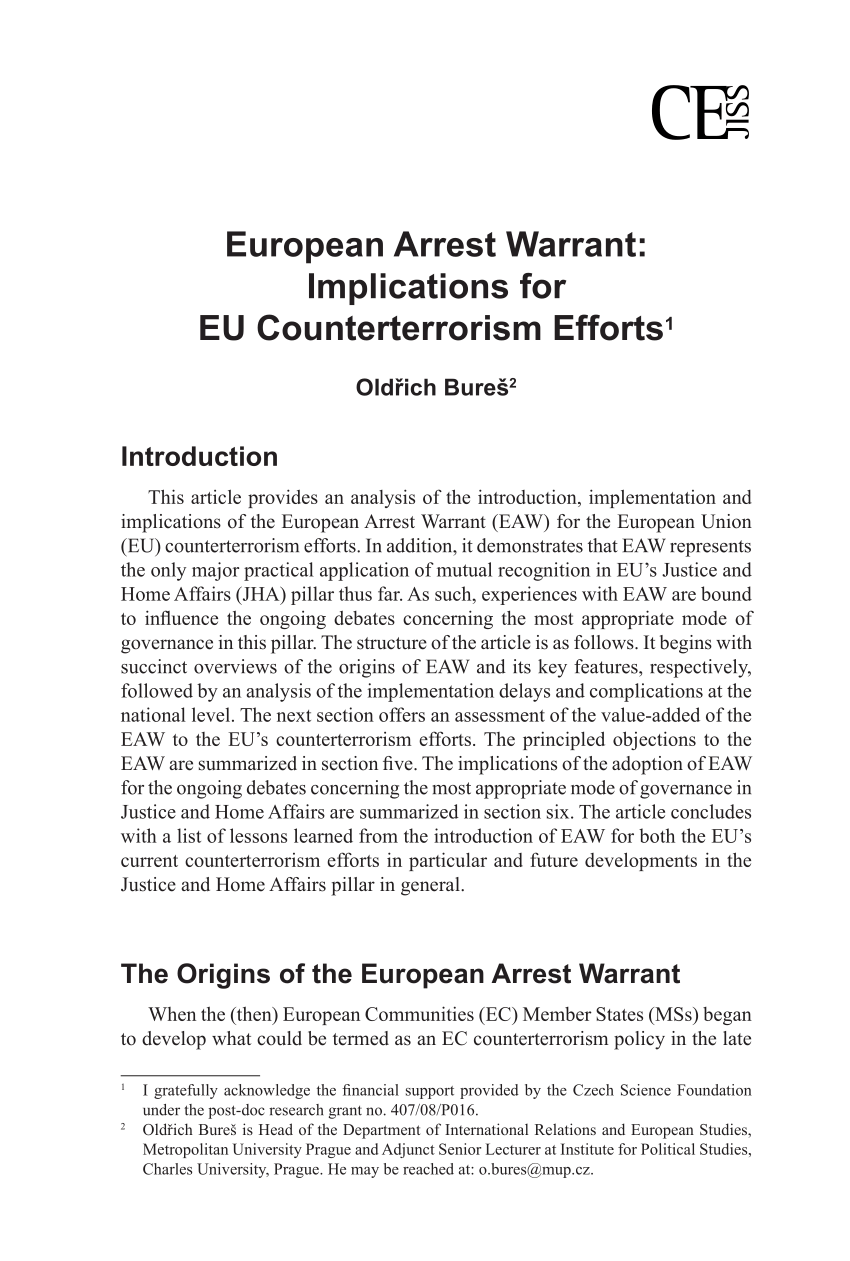
The European Arrest Warrant (EAW) is a significant legal instrument that facilitates the arrest and transfer of individuals between EU member states. This process is crucial for maintaining justice and ensuring that individuals facing legal action are brought to account, irrespective of the borders that may separate them. However, navigating the complexities of the EAW can be challenging. In this article, we will explore how to obtain support on the European Arrest Warrant, detailing the legal frameworks, processes involved, and resources available for individuals impacted by such warrants. For a deeper dive into this topic, feel free to check out the information provided in this support on European arrest warrant matters https://pbisaz.org/wp-content/pgs/support-on-european-arrest-warrant-matters-across-eu-jurisdictions.html.
What is the European Arrest Warrant?
The EAW is an EU-wide legal framework established in 2004, primarily designed to streamline the extradition process between member states for individuals wanted for prosecution or to serve a sentence. Unlike traditional extradition, which can be lengthy and cumbersome, the EAW allows for a more direct and effective transfer of suspects and convicted persons. It operates under the principle of mutual recognition of judicial decisions, meaning that an arrest warrant issued in one EU country must be recognized and enforced in all others.

Key Features of the European Arrest Warrant
- Rapid Process: The EAW facilitates quicker legal proceedings compared to traditional methods of extradition.
- Mutual Recognition: Member states are obliged to recognize and execute arrest warrants without extensive legal proceedings.
- Wide Scope: The EAW covers a wide range of offenses, ensuring that even serious crimes do not escape judicial scrutiny.
Seeking Support: Legal Assistance
If you or someone you know is facing an EAW, seeking legal assistance is paramount. Here’s how to go about it:
- Consult a Lawyer: Look for a lawyer who specializes in extradition law and understands the nuances of the EAW.
- Understand Your Rights: A legal professional can help clarify what rights you have under the EAW, including the right to appeal the warrant.
- Documentation: Ensure that all relevant documentation is in order, as this can facilitate faster legal processes.
The Procedure of the European Arrest Warrant
The procedure surrounding the EAW involves several steps, starting from the issuance of the warrant in the member state. Here’s a basic outline:
- Issuance of the Warrant: The competent authority in the issuing country will issue the EAW based on the judicial decision.
- Execution: The warrant is then sent to the relevant authorities in the executing country, who will arrest the individual.
- Judicial Review: Once arrested, the individual has the right to a judicial review in the executing country.
- Transfer: If the warrant is upheld, the individual will be transferred to the issuing country for prosecution or to serve their sentence.
Grounds for Refusal
While the EAW operates under principles of mutual recognition, there are grounds upon which a member state may refuse its execution:
- Political Offense: If the offense is deemed political, the warrant may be refused.
- Double Jeopardy: If the individual has already been tried for the same offense, the warrant may not be executed.
- Human Rights Concerns: Concerns regarding the treatment of the individual in the issuing country can also form a basis for refusal.
Support Resources Across the EU
Understanding your options is crucial. Various resources are available for individuals who find themselves affected by the EAW:
- Legal Aid Services: Many EU countries provide legal aid for individuals facing extradition under the EAW.
- Support Organizations: NGOs and legal advocacy groups are often equipped to help navigate the complexities of the EAW.
- National Contact Points: Each EU member state has designated officials or organizations that provide information and assistance regarding the EAW.
Conclusion
The European Arrest Warrant is a powerful tool in the fight against crime across borders within the EU. While the process appears straightforward, the underlying legal intricacies necessitate comprehensive support for individuals affected by it. Engaging with legal professionals, understanding your rights, and utilizing available resources are critical steps in navigating the challenges posed by the EAW. For more detailed information and guidance, consult the various resources and legal frameworks available in your jurisdiction.