
YSL Statement Bags Summer Essential
The Row Fashion: How the Brand Redefined American Minimalism
The Row sits in an odd spot in fashion: it is one of the most talked-about labels of the past twenty years, yet it almost never advertises, shuns celebrity seeding tactics, and has forged its standing almost entirely on organic chatter and returning shoppers. Started by Mary-Kate and Ashley Olsen in 2006, the company grew out of a plain frustration — the struggle to find an unadorned, properly constructed t-shirt that truly fit and lasted. That founding narrative matters, since it accounts for everything that came next: near-fanatical attention to cut, material heft, and construction detail, with barely any regard for trend-chasing or logo branding.
Rather than treating minimalism as a mere trend, The Row design approach adopts it as a manufacturing philosophy. Clothing is typically crafted in small workshops in Italy, with pattern-cutting that can require many rounds of refinement before any single shape is finalized. As many as 50 fit sessions might be needed for a single blazer. This is deliberate, unhurried craftsmanship at its most genuine, and it’s why its cost structure lands at the uppermost tier of the contemporary-to-luxury bracket. The outcome is clothing and accessories that seem misleadingly simple but contain a degree of craftsmanship which most wearers only detect once the item has ysl been worn for a year.
The Rise of The Row Bags Became Symbols of Status
Although the clothing forged the brand’s credibility among stylists and editors, the bags are what transformed The Row into a mass-appeal fixation, particularly from 2020 onward. The Row’s bags sit in an odd in-between space, part quiet luxury, part cult favorite — immediately identifiable to those in the know, almost unnoticeable to outsiders. Gone is branded stamp, gone is hardware that shouts the brand’s name — what remains is clean leather, structured shapes, and proportions that seem luxe without trying to prove it.
The Margaux is the piece most responsible for this shift. Named after Margaux Hemingway, it launched with a boxy, open-top silhouette and a slouchy leather body that looked equally at home on a stylist’s arm at fashion week or tucked under a laptop bag on a commute. Its popularity created genuine scarcity — waitlists at Bergdorf Goodman and Net-a-Porter stretched for months during peak demand years. Anyone searching for where to buy The Row Margaux bag quickly learns that availability fluctuates constantly, with limited restocks appearing at a handful of authorized retailers rather than flooding the market.
Filling in the range were Sofia, the Wander, and the moon-curved silhouettes, each one embodying the same philosophy: minimal branding, maximal material quality, and silhouettes that resist trend cycles. That steadiness is one reason the resale market for The Row handbags has stayed strong — depreciation is slower than with most premium bag houses, because interest doesn’t dry up the moment a new «it» bag emerges elsewhere.
Best Row Bags: A Practical Overview
For shoppers making sense of the current lineup, a look at the current styles helps make clear which shapes serve which need. The brand’s handbag range spans rigid top-handle styles, slouchy shoulder totes, and clutch designs, and prices generally span from the low thousands into five-figure territory based on leather type, size, and hardware finish. What follows is a comparison of some of the most sought-after styles to give a better picture of how they differ in use case.
| Bag Type | Silhouette | Best For | Standout Feature |
|---|---|---|---|
| Margaux | Boxy, open-top tote | Everyday use, office | Soft slouch, iconic standing |
| Sofia | Rigid top-handle shape | Formal outings, evening use | Small, sculptural form |
| Wander | Soft shoulder bag | Travel, errands | Light, pliable construction |
| Tote Bag by The Row | Large, open carry | Daily office wear, short getaways | High capacity, minimal hardware |
The tote style deserves specific mention because it functions almost as the brand’s everyday go-to — roomier, more casual than the Margaux, and made for people who need to carry a laptop, files, or gym clothes without sacrificing the label’s low-key aesthetic. It’s frequently the entry point for shoppers moving from ready-to-wear into The Row’s accessories world, since totes tend to be more forgiving in terms of daily use and handling compared to structured top-handles.
When people ask which are the best-performing bags for long-term value, the straightforward truth depends on how you live rather than trends. The Margaux holds resale value impressively well due to sustained demand, but it’s a large, casual shape that doesn’t suit formal dressing. Sofia, by contrast, is a stronger fit for evening wear but sees less daily wear, which can make its cost-per-wear higher for most owners.
A Guide to Row Sale Patterns and Where to Shop Smart
Because The Row seldom reduces prices through its own channels, a genuine markdown event is a genuinely rare event, and shoppers hunting for one need to understand where markdowns really show up. The brand holds onto tight control over pricing to safeguard its position as a luxury house, which means substantial discounts are almost never found on therow.com itself. Instead, sales activity tends to surface through third-party luxury retailers during their seasonal clearance periods — think seasonal price cuts at upscale retailers or discount marketplaces that receive scarce consignment stock.
If you’re after discounted The Row handbags, it’s The RealReal, Vestiaire Collective, and Fashionphile that have emerged as the most reliable hunting ground, particularly for older hues or discontinued silhouettes no longer part of the main collection. Prices across these marketplaces fluctuates based on wear level, hardware finish, and leather grade, but carefully kept pieces from the last few seasons commonly go for 20-40% below original retail, which is notably stronger retention than what most modern handbag labels achieve.
Factory outlets have no place in The Row’s retail strategy, which sets it apart from plenty of other luxury brands that quietly move overstock through clearance channels. That gap deepens rarity and sheds light on why the pre-owned circuit has grown into such a bustling secondary market. Buyers willing to wait and willing to monitor these platforms regularly tend to land stronger deals than those waiting for an formal markdown that might never materialize.
The Row Fashion Beyond Bags: Ready-to-Wear and Accessories
It would be a partial view to examine The Row purely through its handbags, since the brand’s apparel stands as the core of its identity. Tailoring forms the ground on which the brand’s standing was established, and pieces like roomy trousers, soft-shouldered blazers, and cashmere pieces remain central to each collection. Material sourcing depends largely on Italian mills, with an emphasis on natural fibers — silk, wool, cashmere, and leather — rather than synthetic blends, which contributes both to the price point and the longevity customers report.
Footwear has emerged as another solid pillar, with clean-lined flats, loafers, and boots that reflect the same design restraint found in the bags. The brand doesn’t chase passing shoe trends the way many labels do; instead, styles get incremental updates season after season, so a pair purchased in 2022 doesn’t feel outdated in 2026. Such steadiness is part of the appeal for customers who want to invest in a wardrobe rather than replace it annually.
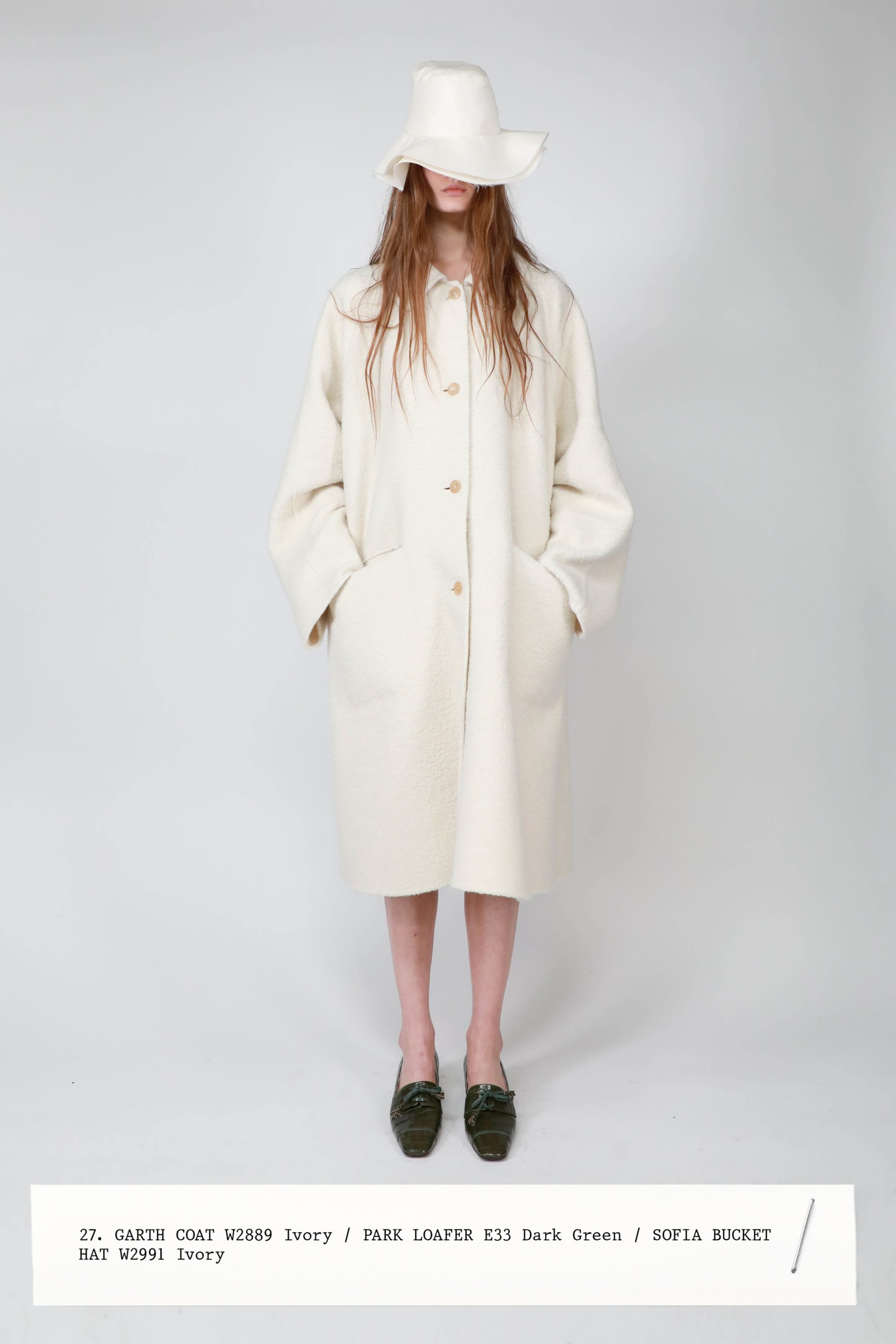
Eyewear and compact leather items round out the accessories offering, commonly functioning as a lower-cost entry point into the brand for shoppers not yet prepared to spend on a full handbag. These modest accessories tend to disappear from shelves rapidly as well, particularly limited colorways, underscoring the broader pattern across The Row’s business: restrained output paired with sustained demand.
The Reason The Row’s Method Still Holds Up in 2026
Nearly twenty years after launch, The Row remains one of the few luxury labels that has not diluted its identity running after fleeting internet buzz. There’s no collaboration calendar packed with hype drops, no constant logo merchandise, and no rush to flood the market with new bag shapes each season. Such discipline has become the brand’s actual competitive advantage in a market oversaturated with fast turnover and influencer-led releases.
For anyone building a considered wardrobe or accessory edit in 2026, getting to grips with this label means understanding a pretty straightforward equation: fewer releases, higher material investment, and a following that prefers to stay quiet rather than be noticed. Start with a tote, a Margaux, or a single cashmere sweater — either way, the same core idea holds — quality that speaks for itself, without needing to shout.